
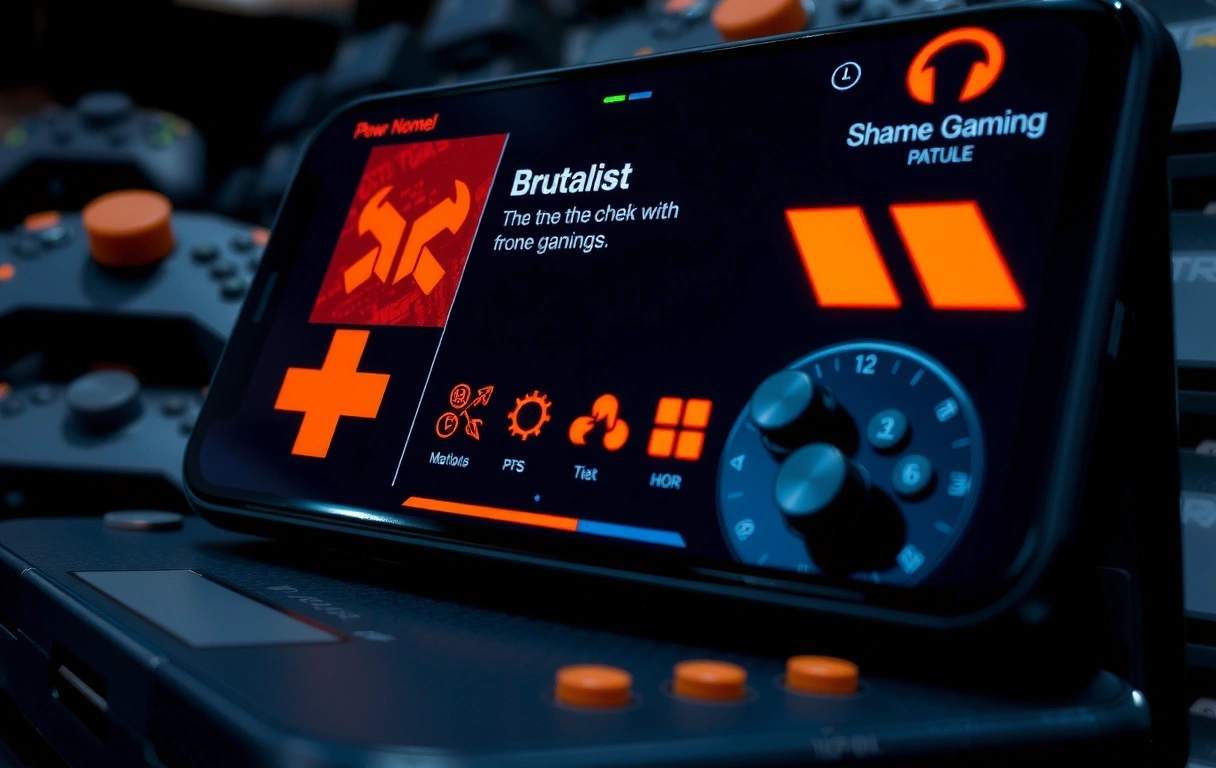
Aesthetics
In Motion.
We do not just build gaming applications; we architect digital environments. From the raw grit of Berlin's underground techno scene to the sterile precision of high-frequency trading interfaces, our portfolio defines the edge of mobile performance.
The Style Matrix
A breakdown of our specialized aesthetic directions. Each category is optimized for specific hardware thermal limits and refresh rates, ensuring visual fidelity never compromises the 14ms latency benchmark.
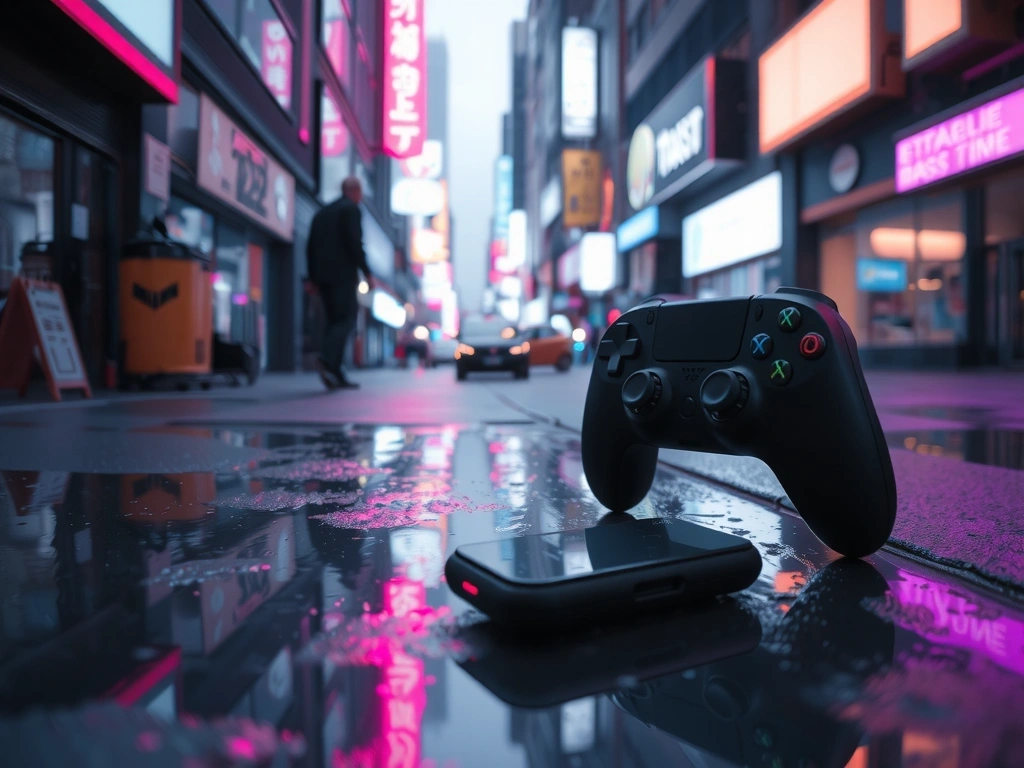
The Pulse of Glass and Chrome
This aesthetic isn't just about color palette—it's about the tension between high-tech and low-life. We use wet pavement reflections and holographic flickering to create a living, breathing interface that reacts to user input with light-speed haptic feedback.
Pure Negative Space
Minimalist Zen focuses on deliberate negative space and subtle paper textures. It is designed for low battery drain sessions, removing visual noise to highlight competitive data points.
Efficiency: 98%RAW
Unapologetically large typography and borders that feel drawn with a marker. Rejects the polish of modern SaaS for the honesty of concrete. This aesthetic thrives on mobile hardware specifically tuned for high contrast.
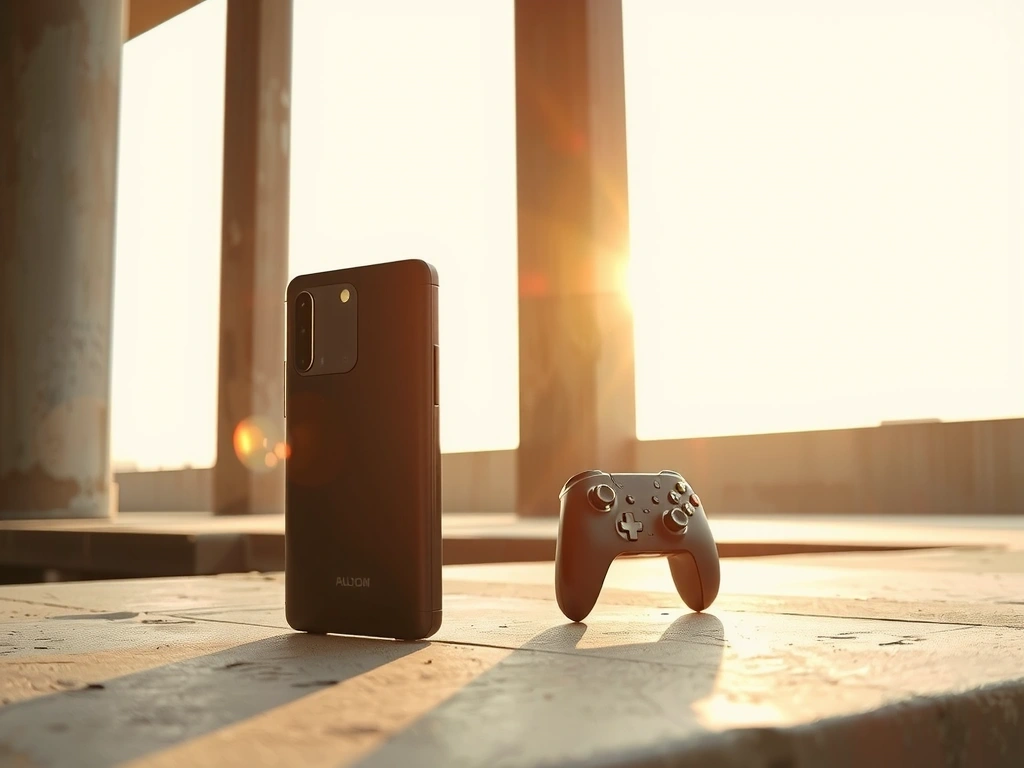

Synthwave Momentum
Not just a background; it's a perpetual digital sunset over an infinite grid. We utilize GSAP-driven kinetic typography and chrome text effects that respond to the device's gyroscope, creating a sense of forward motion during gameplay.
The Clickavo
Robustness Protocol.
Before an application aesthetic is approved for deployment, it undergoes a 72-hour stress test on flagship German hardware (Snapdragon Gen 4 / Apple M-series). We don't rely on arbitrary "beauty" metrics; we measure the thermal variance of the device.
Our Method Note: Every interface component is evaluated based on its redraw cost. If a complex shader (like our Noir shadow-play) drops the frame rate below a stable 120FPS on a standard mobile network in Berlin, we simplify the geometry rather than sacrificing the player's competitive edge.
// Field Scenario: The Frankfurt Latency Test
A professional Esports athlete testing our 'Hyper-Realistic Military' HUD in a high-density 5G zone in Frankfurt reported a perceived input lag. Our real-time log revealed the transparency layers were causing a 4ms micro-stutter. By switching to our "Solid Brutalist" divider system, we restored the optimal 14ms end-to-end latency without altering the core visual identity.
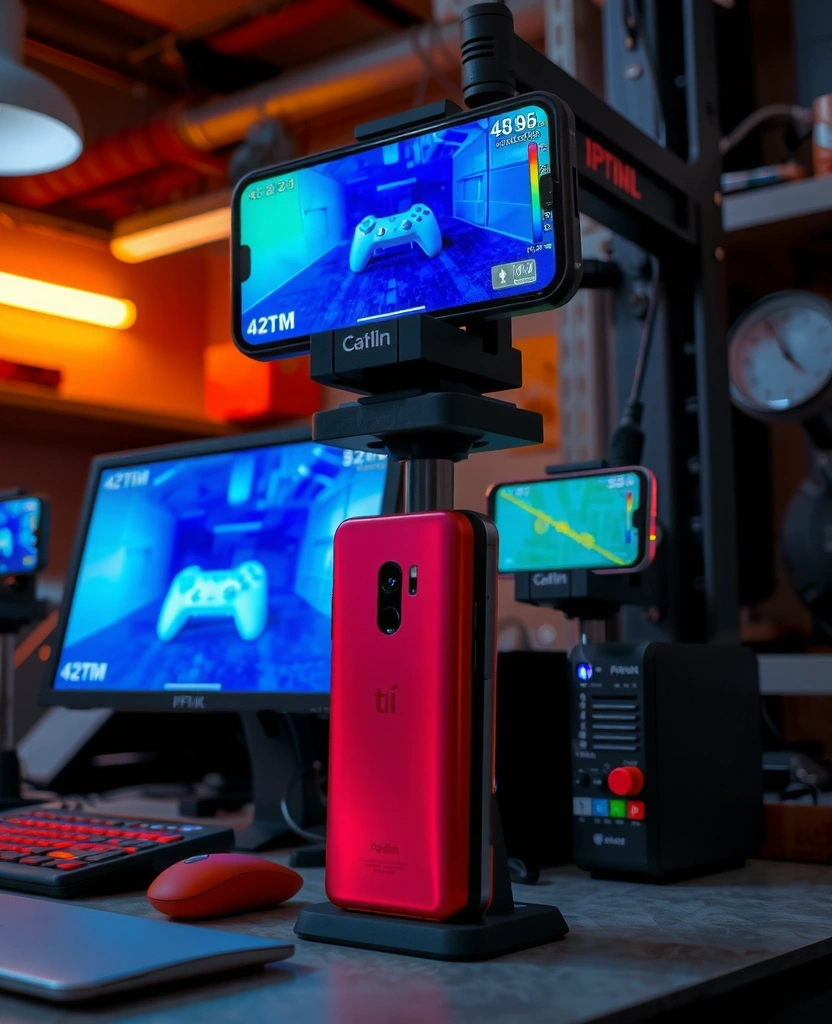
Thermal Threshold: 42°C Baseline Sustained Over 4h Testing Cycle.
Integrity Assessments
How is application stability verified in fluctuating network zones?
We utilize a "Fog Log" protocol that simulates erratic 3G/EDGE handovers during high-data gameplay. Our applications are designed to gracefully degrade visual fidelity (e.g., removing real-time reflections) to maintain game-state synchronization.
Does visual complexity impact thermal throttling?
Yes. Higher complexity increases GPU heat. We mitigate this by using intelligent 'Dynamic Frame Rate' (DFR) which scales the UI's internal resolution (not the game's) based on the device's real-time temperature sensors.
Are these aesthetics compatible with external controllers?
Every Clickavo application is built with native support for PlayStation, Xbox, and Scuf controllers. Our 'Industrial' and 'Military' styles feature specific HUD mappings designed for peripheral-centric playstyles.
What happens to the aesthetic if the battery hits <20%?
The system triggers "Emergency Zen" mode. It strips away all non-essential shaders, switches to high-contrast monochrome, and lowers refresh rates to 60FPS to extend play-time without risking a crash.
Visual
Deployment.


Ready to build the next benchmark?
Initiate Application RequestAlexanderplatz 5,
10178 Berlin, DE
Mon-Fri: 09:00-18:00
Central European Time
+49 30 12345678
info@clickavo.site
© 2026 Clickavo GmbH
All rights reserved.