
Insi
ghts
Editorial commentary on the friction between high-speed play and information density. We dissect how the modern player’s desk has become a cockpit of calculated pressure.
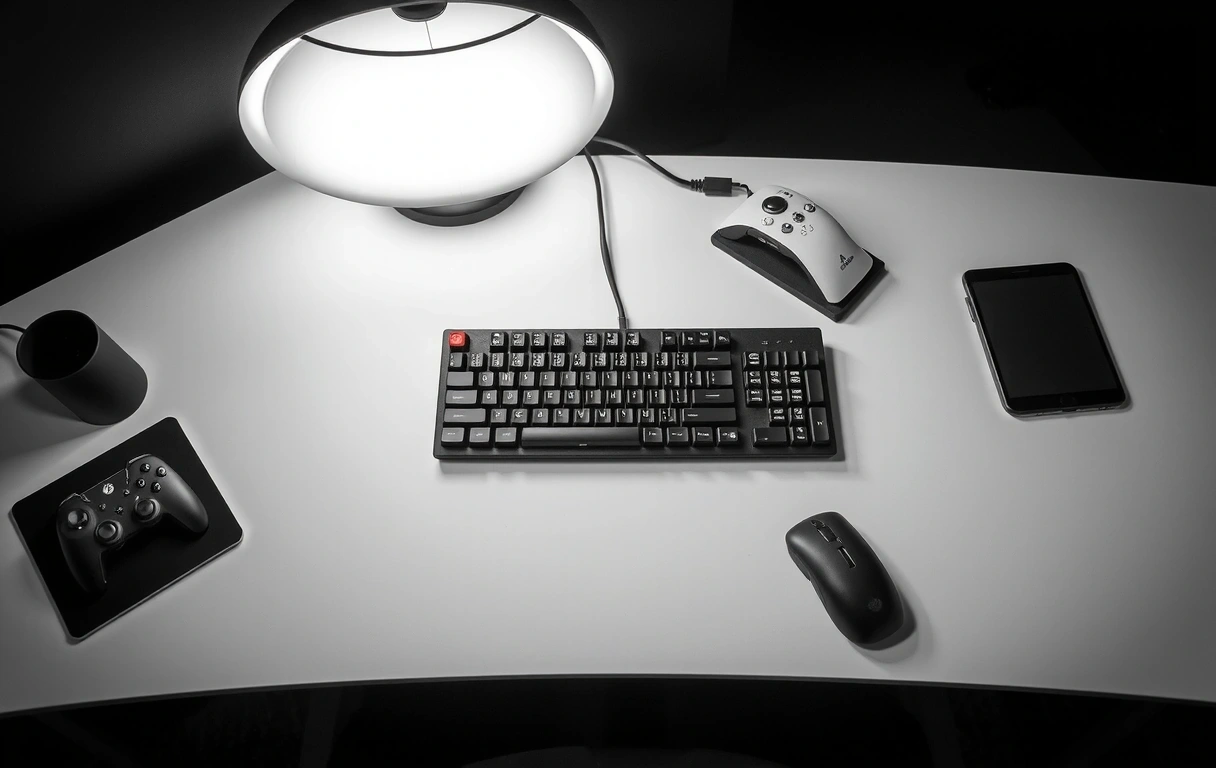
The modern desk is an information cockpit.
We no longer look at gaming as mere entertainment. For the competitive segment in Germany and beyond, the interface is a tool of precision. Clickavo’s design philosophy mirrors the cockpit of a high-performance vehicle: dual monitors for live data, a primary screen for the match, and a clutter-free zone for split-second decisions. Prioritizing information hierarchy over decorative noise is not a style choice—it is a performance requirement.
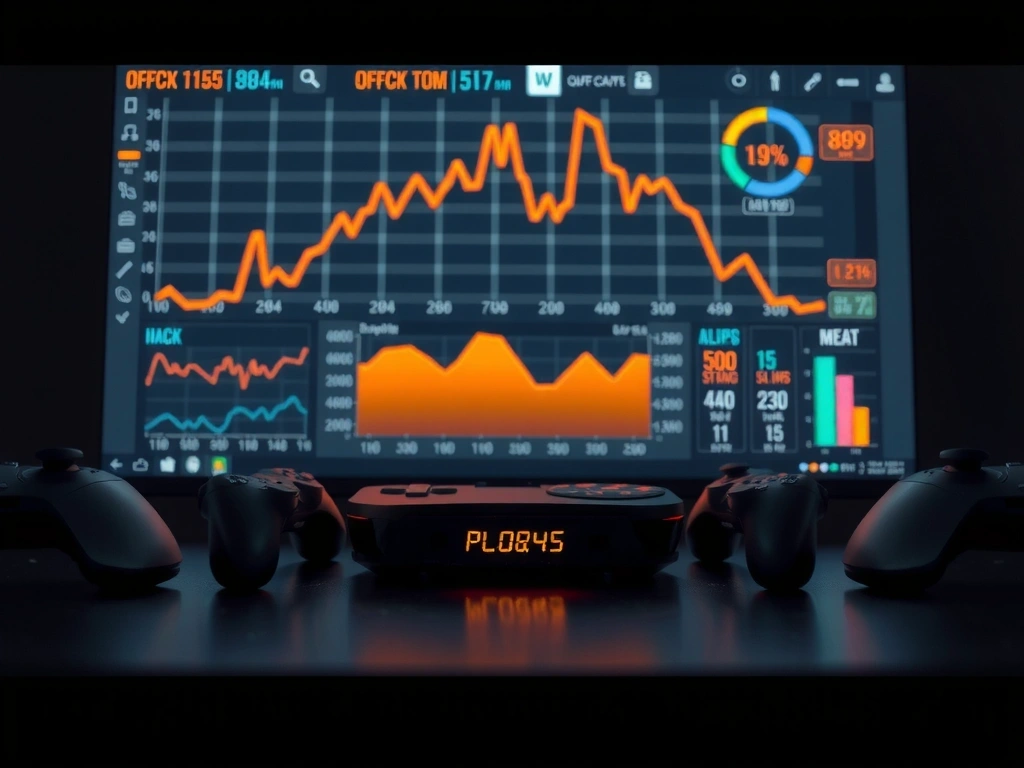
In our recent analysis of esports commentary, we've observed a tectonic shift from "clutch" moments to "calculated pressure." Data overlays now explain *why* a player took a specific angle—referencing map control percentages and economy deltas—rather than just celebrating the victory. The UI must facilitate this transition from adrenaline to analysis instantly.
Negative space
as a weapon.
During a chaotic team fight, every pixel that doesn't provide value is an enemy. We treat 'negative space' as a functional UI element, reducing cognitive load when the player's brain is already at 100% capacity. This isn't minimalism for the sake of aesthetics; it's a strategic withdrawal to allow the most vital data—the "information scent"—to lead the user's eye.
"True black (#000) causes eye strain over 4-hour sessions. We build for the 'coffee table' feel: dark gray palettes that breathe."

The Syntax of Precision
Glossary of the meta
Input Lag Bias
The subjective perception of delay. A consistent 20ms jitter is often seen as "better" than a variable 10-40ms swing. Stability wins matches, not low-peaks.
Numeral Legibility
Numerical data (KPIs, cooldowns) must use monospaced fonts to prevent layout "jitter" during frame updates. Every millisecond of eye-fixation saved is a tactical advantage.
Predictive Reliance
The over-reliance on analytical prediction tools. We emphasize keeping manual controls prominent as backups for when hardware fails or network roaming fluctuates.
Constraints & Boundaries
What changes the recommendation? Hardware is a moving target. Our benchmarks are anchored in Berlin's fiber infrastructure, but we account for the volatility of 5G roaming across Europe.
- GDPR Compliance Limits vs. Real-time Logging
- Thermal Throttling in 30°C+ Ambient Temps
- Mobile Network Variable Jitter Compensation
The "One-Glance" Rule
A dashboard must communicate map control, player status, and economy in under 3 seconds. Any design that fails this test is stripped and rebuilt.
View Applications

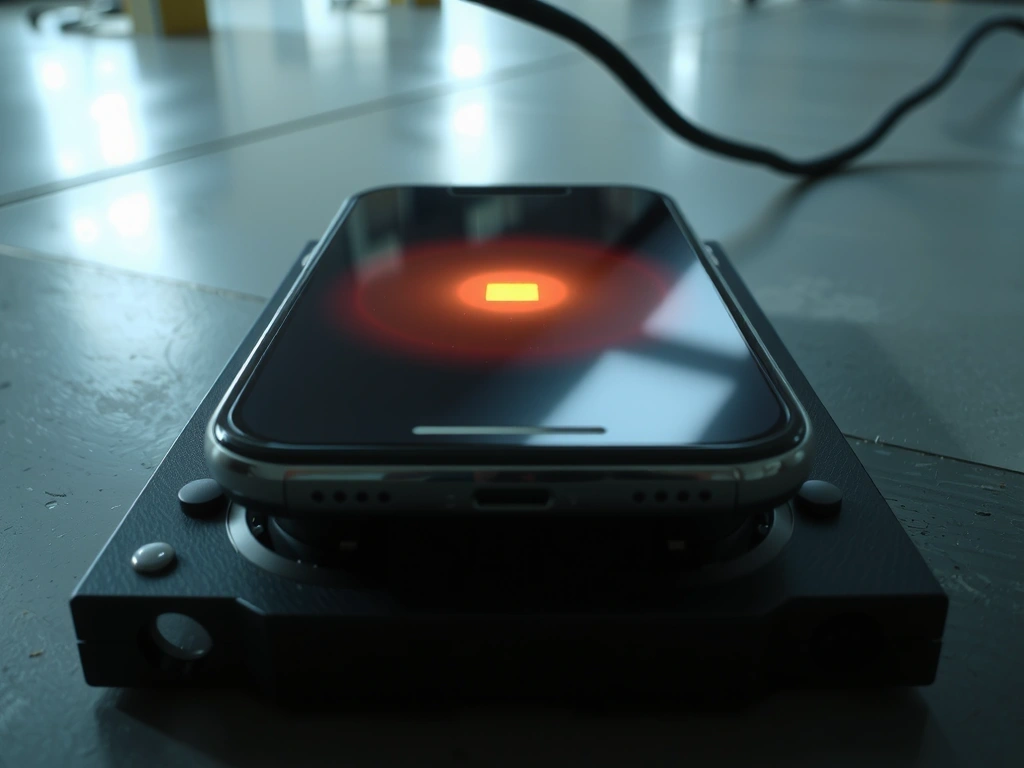
Design for the crash, not just the race.
While high-refresh rates and visual fidelity are the headlines, true competitive advantage is found in the software's ability to remain legible during catastrophic network lag or hardware overheating. We don't promise 0ms latency—we design interfaces that help you survive when latency spikes.

Tactile Feedback
Measuring the synapse time between click and on-screen result.

Flow Speed
How information cascades through nested menu systems.

Hardware Synergy
Ensuring the dashboard scales to peripheral-specific APIs.
Pixel Logic
The science of sub-pixel rendering for ultra-sharp terminal text.